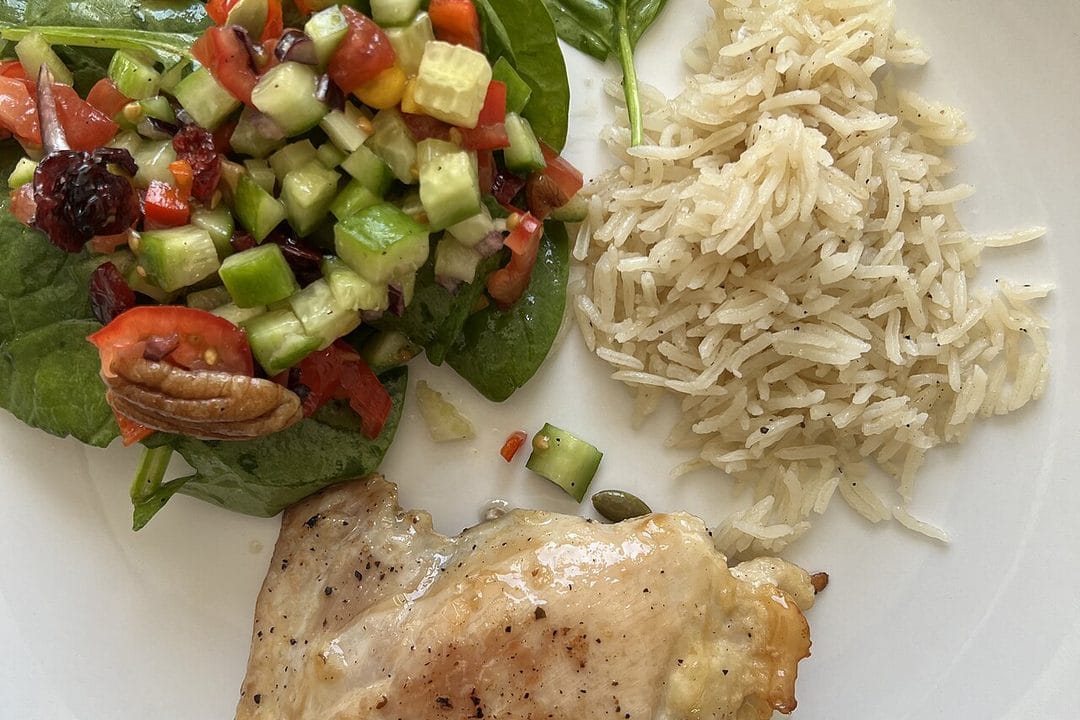
Brisket gets the magazine covers, but if you're feeding a backyard full of people next weekend and you've never once run a smoker before, chicken thighs are the smartest meat on the table. They're cheap, they're nearly impossible to dry out, and they hit the plate in the time it takes to drink a couple of beers. While the brisket crowd is babysitting a fourteen-pound packer at 4 a.m., you can sleep in, fire up around noon, and still have a platter of glossy, smoke-kissed thighs out before anyone starts asking when the food's coming.
I switched my own holiday spread to mostly thighs three summers ago and never looked back. Breasts turn to sawdust the second you blink. A thigh forgives you.
Why thighs win on a hot June afternoon
Dark meat carries more fat and more connective tissue than breast, which means it stays juicy across a wide window of doneness. A chicken breast is technically safe at 165°F and ruined by 170°F — a five-degree margin that punishes any distraction. A thigh, by contrast, actually gets better the longer you push it, because the collagen keeps rendering. Pull a thigh anywhere from 175°F to 195°F internal and it'll taste great; the higher end gives you that fall-apart, almost-confit texture. There's no other cut on the bird that's this relaxed about timing.
The other thing working in your favor is heat — both the weather and the cooker. Late June in most of the country means you're fighting an already-warm pit, and small cuts don't care. A thigh cooks through in roughly 90 minutes to two hours at 275°F, so you're not holding a screaming-hot smoker stable for eight hours in 90-degree shade. Less fuel, less fuss, and fewer ways for things to go sideways.
Setting up: skin is the whole game
Here's the part nobody tells the first-timer: low-and-slow smoke and crispy chicken skin are natural enemies. Render fat too gently and you get pale, rubbery, sad skin that peels off in one sheet. The fix is to cook hotter than classic barbecue dogma allows. Run your smoker at 275°F to 300°F, not the 225°F you'd use for pork shoulder. You still get plenty of smoke flavor in two hours, and the extra heat actually crisps the skin instead of poaching it.
Before anything touches the grate, dry the skin. Pat each thigh hard with paper towels, then leave them uncovered on a rack in the fridge for a few hours if you have time — overnight is even better. Dry skin browns; wet skin steams. A lot of disappointing backyard chicken traces straight back to skipping this one boring step.
A rub that doesn't fight the smoke
Keep it simple your first time out. Salt is the only truly mandatory ingredient, and a good ratio is about 1 teaspoon of kosher salt per pound. From there:
- Coarse black pepper — more than you think, it's the backbone
- Smoked paprika for color and a little sweetness
- Garlic powder and a pinch of onion powder
- A small spoon of brown sugar if you like a darker bark (skip it if you're running hot, since sugar can scorch past 300°F)
- Whatever else is already open in your cabinet, honestly — cayenne, a little cumin, dried thyme all work
Go easy on anything with sugar near the higher temperatures. Sugar burns bitter, and burnt is the one flavor you can't sauce your way out of.
Wood, fire, and the part where you wait
Chicken takes smoke fast and can turn acrid if you overdo it, so reach for a lighter wood. Apple, cherry, and pecan are all forgiving; cherry has the bonus of deepening the skin to a beautiful mahogany. Save the mesquite for beef — on poultry it can taste like an ashtray within the hour. You only need a chunk or two, not a firebox stuffed full.
Lay the thighs skin-side up and resist the urge to flip, poke, or open the lid every ten minutes. Every time you lift it, you dump heat and add fifteen minutes. The single tool that matters here is an instant-read thermometer; the dome gauge on a cheap smoker can be off by 50 degrees, which is the difference between dinner and a vet bill. Probe the thickest part of a thigh without hitting the bone, and start checking around the 75-minute mark.
If your skin still isn't crisp when the meat hits temperature — which happens on a humid day — finish them over direct heat for two or three minutes a side, or crank the smoker to 400°F for the last stretch. That last blast is what separates restaurant-looking chicken from the soft-skinned version.
The sauce question
You don't need sauce on a well-seasoned smoked thigh, and I'd argue a great one is better naked. But it's the Fourth, half your guests grew up dunking everything, and there's no shame in a side bowl. If you do glaze on the smoker, brush it on only in the last 10 to 15 minutes — any earlier and the sugars in the sauce burn long before the chicken's done.
Scaling it up without losing your mind
A pack of bone-in, skin-on thighs runs about $2 to $4 a pound at most grocery stores, which makes feeding twenty people genuinely affordable. Figure two thighs per adult, one or two for kids. A standard 22-inch kettle or an offset smoker easily holds 12 to 16 at once, and because they cook in under two hours you can run a second batch and still beat the brisket people to the table.
Rest them five or ten minutes under a loose tent of foil before serving — long enough to settle, short enough that the skin stays crisp. Then put the platter down, step back, and watch it vanish. That's the whole appeal of cooking thighs for a crowd: almost nothing to go wrong, and the lowest-effort meat on the menu is usually the first plate scraped clean.