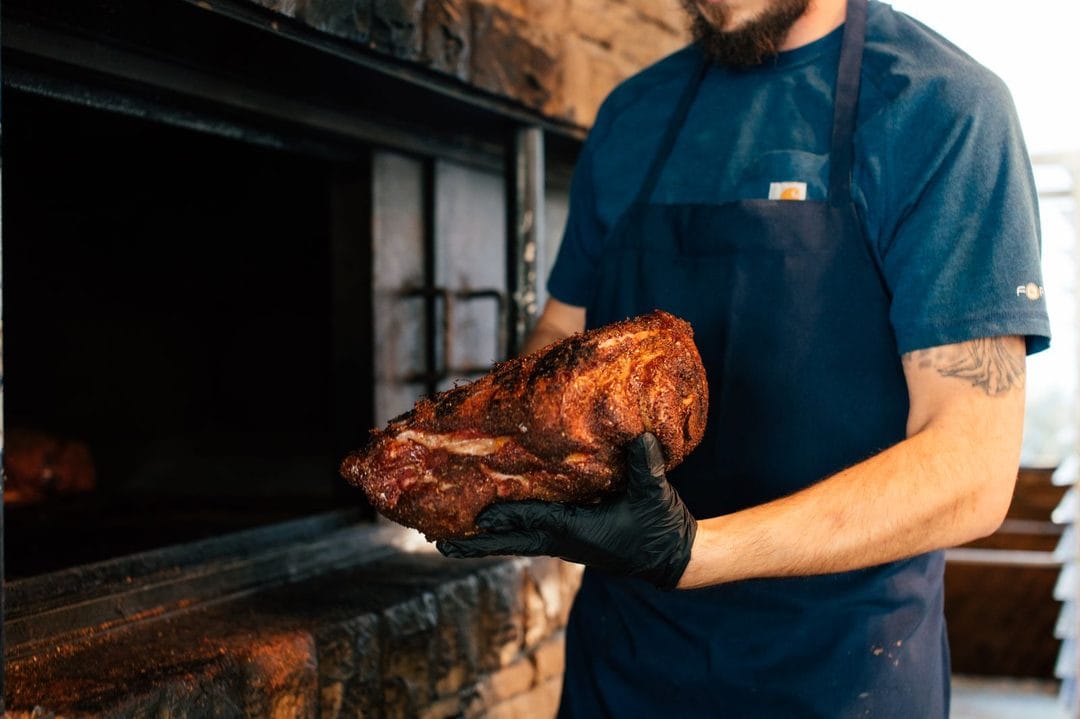
Walk into a competition-barbecue trailer at 6 a.m. and you will smell brisket, sure, but the cut most pitmasters actually want to eat off the smoker themselves is usually beef ribs. Not the thin, curled beef ribs sold shrink-wrapped at the grocery store — the big, three-bone slabs cut from the short plate, sometimes called dino ribs because a single bone looks like something out of a natural history museum. They take longer than pork ribs, cost more than a chuck roast, and reward patience in a way almost nothing else on a smoker does.
What "Beef Ribs" Actually Means
There are three different cuts sold as beef ribs, and mixing them up is the first mistake most people make. Back ribs come off the rib roast after the ribeye is removed, so there is very little meat left on the bone — they are fine for stock or a quick weeknight smoke, but they are not the showstopper cut. If you want something meatier, chuck short ribs, sometimes labeled flanken or English-cut, come from the chuck and shoulder clod; they are meaty but individually thin, closer in cook time to a thick steak than a low-and-slow project. Plate ribs, cut from ribs six through eight on the short plate, are the ones you want. Each bone typically carries a full inch or more of meat on top, and a three-bone slab can easily weigh four to five pounds before trimming.
Texas barbecue joints made plate ribs famous, and for good reason — the bone-to-meat ratio and the amount of intramuscular fat make them almost impossible to dry out, even for a first attempt. A lot of home cooks avoid beef ribs specifically because they assume the cut is as unforgiving as brisket. It isn't. You have a wider window to hit the right texture than you do with a flat, and a slab that goes an extra forty-five minutes past done rarely turns dry the way an overcooked brisket flat does.
Trimming and Seasoning
Flip the slab bone-side up and you will see a thin membrane running across the back, the same silverskin you would peel off a rack of pork ribs. Peel it. If you skip this step, that membrane tightens up during the cook and turns leathery, and it will keep rub and smoke from reaching the underside of the meat. Trim the fat cap on the meat side down to roughly a quarter inch — not bare, since that fat renders and bastes the meat as it cooks, but thick fat caps insulate the surface and slow bark formation.
Skip the marinade. A dry rub of coarse kosher salt and coarse black pepper, applied heavy and roughly equal parts by volume, is the standard Central Texas approach, and it works because the cut has enough fat and connective tissue to carry that simplicity. Some pitmasters add granulated garlic or a touch of coffee grounds for bitterness that balances the fat; either is a reasonable addition, but don't reach for a sweet rub here. Sugar-heavy rubs scorch over an eight-hour cook and mask a cut that doesn't need help. A thin binder — yellow mustard or a light coat of oil — helps the rub stick, though on a cut this fatty the meat is often tacky enough on its own once it hits room temperature.
Time, Temperature, and Wood
Set the smoker to 250-275°F and plan on roughly an hour to ninety minutes per pound, which on a full plate-rib slab usually lands somewhere between six and nine hours depending on thickness and how consistent your fire is running. Post oak is the traditional wood for beef ribs and pairs cleanly with the fat content; hickory works too, but go easier on it than you would with pork, since beef ribs are already a heavier, more mineral flavor and too much hickory smoke turns bitter fast. Keep the vents open enough for clean, thin blue smoke — thick white smoke on a cook this long will leave the bark tasting like an ashtray by hour five.
Skip the wrap.
Unlike brisket or pork butt, plate ribs rarely need to be wrapped in butcher paper or foil to push through the stall. The fat content keeps the meat moist on its own, and wrapping tends to soften the bark you spent six hours building. Pull the slab when a thermometer probe slides into the thickest part of the meat with almost no resistance — usually somewhere between 203°F and 206°F internally, but treat that number as a guideline, not a stopping point. Probe feel matters more than the thermometer reading on this cut; a slab that reads 204°F but still has firm resistance in the center needs another thirty to forty-five minutes on the smoker.
What Beef Ribs Actually Cost
Price is the other reason home cooks skip this cut, and it's a fair concern. Whole beef plate short ribs run somewhere between $7 and $11 a pound at a butcher counter or a warehouse club like Costco or Restaurant Depot, and a full three-bone slab at that price lands in the $30-$45 range before any trim loss. That is more per pound than a whole packer brisket, which typically runs $3-$5 a pound depending on grade and region — but the yield tells a different story. One bone with its meat easily feeds one hungry adult, sometimes two if you're serving it alongside sides, so a three-bone slab reasonably covers three to four people as a main course. Brisket usually beats beef ribs on cost per serving when you're feeding a crowd of ten or more; for a table of four to six, beef ribs often come out roughly even, and you skip the multi-hour trim job a full packer brisket demands.
Sourcing is the real bottleneck, not price. Most standard grocery chains don't carry plate ribs — you're looking at a butcher counter, a warehouse club, or a specialty meat purveyor, and it's worth calling ahead before you plan a whole weekend around them. Costco carries them inconsistently by region and season, sometimes stacked next to the tri-tip and sometimes not stocked at all, so don't build a cook around finding them there without checking first. A butcher who does whole-animal breakdown will almost always have them or be able to cut them to order within a day or two.
Serving Them Right
Rest the slab for at least thirty minutes, tented loosely in butcher paper, before you cut between the bones. Cutting too early lets the rendered fat and juice run out onto the board instead of staying in the meat. Slice between each bone rather than trying to portion the meat off — the bone is part of the presentation, and honestly part of the appeal.
Pair beef ribs with something acidic to cut the richness — a vinegar-forward slaw does more work here than a creamy one, and pickled red onion is an easy, five-minute addition that earns its place on the plate. Skip heavy, sweet barbecue sauce on the ribs themselves; a thin, black-pepper-forward Texas-style sauce on the side lets people add exactly as much as they want without drowning bark you worked all afternoon to build. Leftover meat pulled off the bone and reheated gently in a bit of its own rendered fat holds up better than almost anything else that comes off a smoker — it's one of the few barbecue cuts that tastes nearly as good on day two.