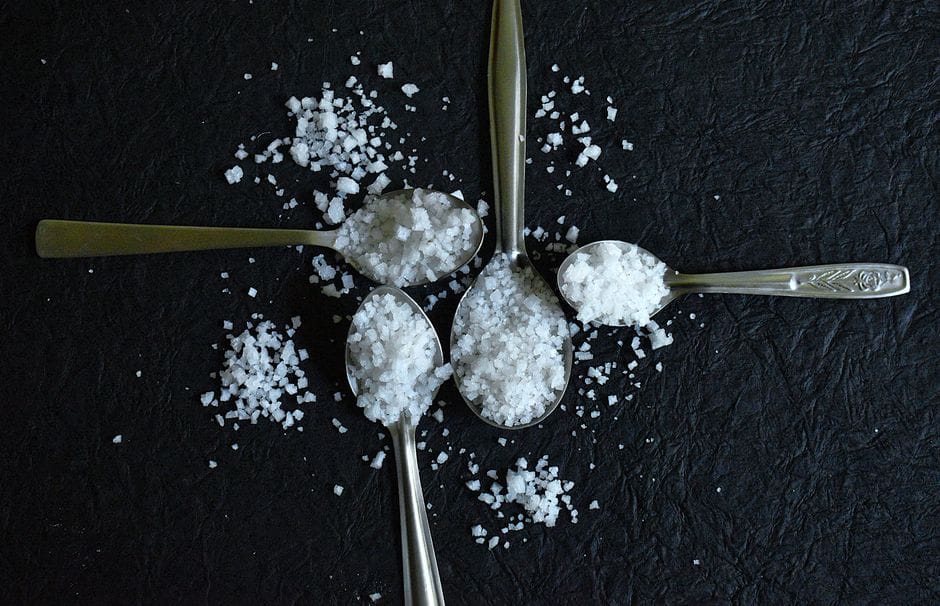
Salt is the most powerful tool in your kitchen, and the most misused. The difference between flat food and food that tastes alive is almost always salt, used at the right time in the right amount. Learning to season well does more for your cooking than any fancy ingredient.
Salt early, taste often
The biggest mistake is salting only at the end. Salt added during cooking has time to penetrate and season food from within, while salt sprinkled on top at the table just sits on the surface. Salt your pasta water, your braises, and your vegetables as they cook, and taste as you go.
Types of salt matter
- Table salt is dense and fine, so a teaspoon is much saltier than the same spoon of flaky salt.
- Kosher salt has bigger flakes, is easy to pinch and control, and is the everyday workhorse.
- Flaky finishing salt adds crunch and a pop of salinity right before serving.
Season in layers
Good seasoning is not one big dump of salt at the end. It is small additions at each stage, building flavor as the dish comes together. If you ever oversalt, you cannot remove it, but you can dilute with more liquid or unsalted ingredients, or balance with a little acid. Get used to tasting constantly. Your palate is the only real measuring tool.