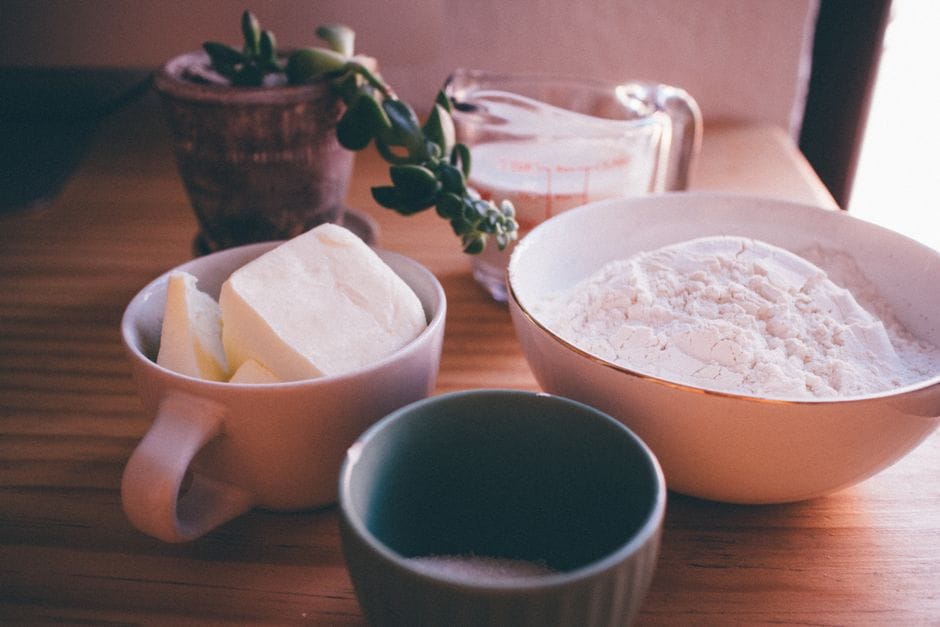
If your gravy comes out lumpy or your cheese sauce splits, the fix is understanding the roux. A roux is nothing more than flour cooked in fat, and it is the backbone of countless sauces, from a silky bechamel to mac and cheese to a deep, dark gumbo.
The basic ratio
Equal parts fat and flour by weight is the standard. Melt butter or another fat in a pan, whisk in an equal amount of flour, and cook it together. The flour's starch is what does the thickening, but it has to be cooked first or your sauce tastes raw and pasty.
Cook it before adding liquid
- Cook the flour and fat together for at least a minute or two to lose the raw taste.
- The longer you cook it, the darker and more flavorful, but the less it thickens.
- A blond roux thickens best; a dark, nutty roux brings flavor for gumbo.
Avoiding lumps
Lumps happen when liquid hits the roux unevenly. The trick is temperature contrast and constant whisking. Add cold or warm liquid to the hot roux slowly, whisking the whole time, and let each addition smooth out before the next. Once it is all in, bring it to a simmer and it thickens as it heats. If you do get lumps, a quick pass with a whisk or a strainer saves it. This one skill quietly upgrades dozens of dishes.