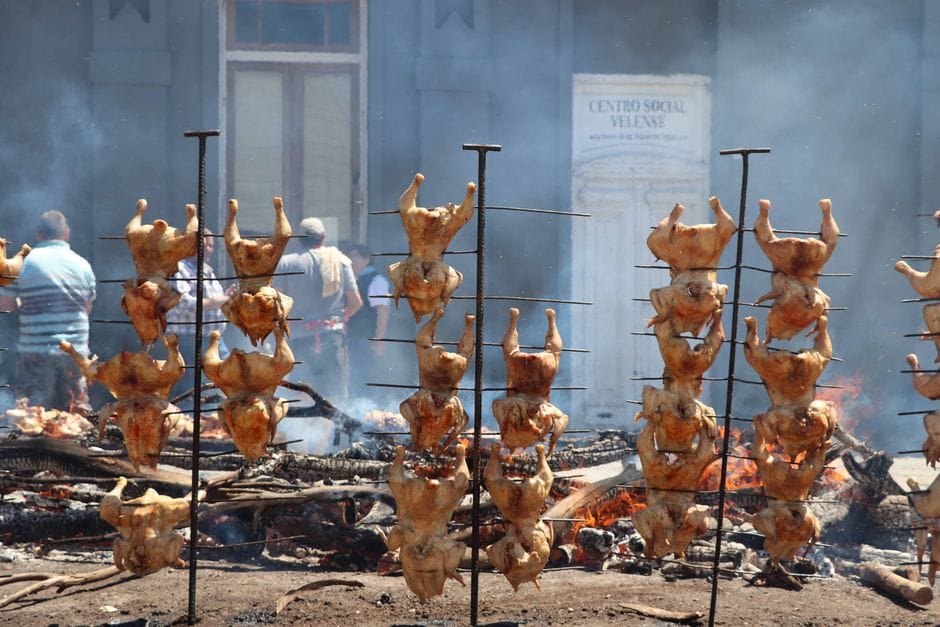
A roast chicken is one of the best deals in the kitchen. One bird feeds a family, and the carcass becomes stock. The two things people get wrong are dry breast meat and pale, flabby skin. Both come down to salt and heat.
Salt it the day before
The single biggest upgrade is a dry brine. Pat the chicken dry, then salt it all over, about three-quarters of a teaspoon of kosher salt per pound, and leave it uncovered in the fridge overnight. The salt seasons deep into the meat and dries the skin so it crisps instead of steaming.
Truss loosely and start hot
Tie the legs together with a piece of string so the bird cooks evenly and the breast is not so exposed. Set your oven to 425 degrees. A hot oven renders the fat under the skin and browns it before the breast overcooks.
Cook to temperature, not time
- Roast breast-side up in a skillet or on a rack in a sheet pan.
- A four-pound bird takes roughly an hour, but the thermometer is the only thing that matters.
- Pull it when the thickest part of the thigh reads 165 degrees and the breast is around 155, since it climbs while resting.
Rest, then carve
Let it sit fifteen minutes before you touch it. The juices redistribute, and carving early just spills them. Carve the legs first, then run your knife down both sides of the breastbone and lift each breast off whole before slicing. Save the back and bones in a freezer bag. When you have two carcasses, you have stock.