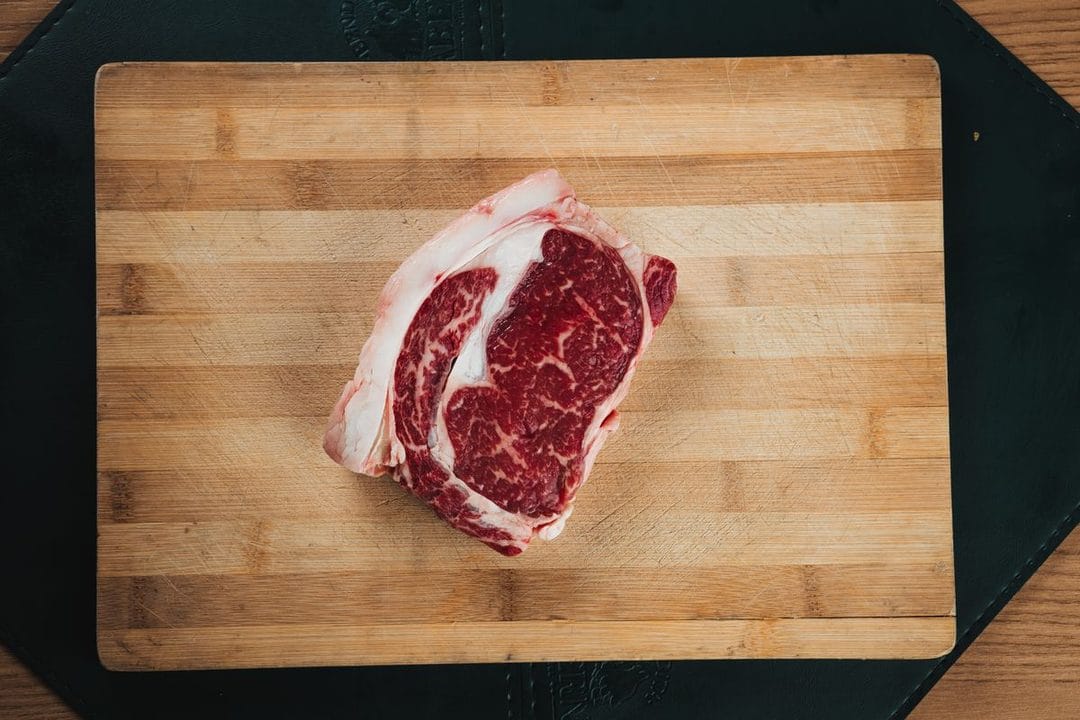
Walk into any barbecue supply store in Texas or Kansas City and you'll find a wall of injectors — plastic syringes the size of a turkey baster, stainless models with locking plungers, even battery-powered ones that promise to soak a whole brisket in under a minute. The pitch is always the same: inject and your meat comes out juicier, more flavorful, practically foolproof. Spend a few weekends actually testing that claim against a plain salt-and-pepper brisket rested under foil, and the picture gets a lot more complicated.
What Injection Actually Does
Injection pushes liquid directly into the muscle rather than relying on surface absorption, which is the part people get right. What most backyard cooks get wrong is assuming that liquid carries flavor deep into the meat the way a marinade soaks into a chicken breast overnight. It doesn't, not really. Once you're past the immediate injection channel, most of what you're delivering is water, fat, and salt — salt is the only ingredient in a typical injection that meaningfully migrates outward from the injection site, because sodium ions diffuse through muscle tissue in a way that sugar, garlic solids, and liquid smoke simply don't. Cut open an injected brisket an hour after it comes off the smoker and you can usually still see faint channels radiating from each injection point, denser and slightly different in color than the surrounding meat. That's the flavor staying roughly where you put it rather than spreading evenly, and it's the single biggest misconception new injectors run into. Garlic and pepper flakes in particular clog needles and then sit in isolated pockets instead of contributing anything to the bite three inches away.
So why do injected briskets taste different? Moisture retention, mostly. A brisket loses somewhere between 30 and 40 percent of its raw weight over a 12-to-14-hour cook, and a good chunk of that is water evaporating out through the bark. An injection adds back some of that liquid before it ever leaves, which is why an injected brisket can taste noticeably juicier at the same internal temperature as a dry one — even though the flavor compounds you injected mostly stayed clustered near the needle tracks rather than spreading evenly. You're buying moisture insurance, not a flavor upgrade throughout the whole cut. Franklin Barbecue in Austin, one of the more studied brisket operations in the country, skips injection entirely and leans on trimming, salt timing, and a long rest instead — proof that injection is one route to a moist brisket, not the only one. Aaron Franklin has said as much in interviews: a well-trimmed brisket with the right fat cap left on doesn't need help from a needle. That's not an argument against injecting so much as a reminder that it's solving a specific problem, not a universal one.
Which Cuts Actually Benefit
The Case For: Pork Butt and Brisket Flats
Pork butt has enough intramuscular fat that it rarely dries out on its own, but the flat half of a packer brisket is a different animal. Leaner, denser, and prone to drying out well before the point (the fattier deckle section) finishes rendering, the flat is where injection earns its keep. A 1.5-cup apple juice-and-beef-broth injection into a 6-pound flat, spread across 15 to 20 injection points about an inch apart, can be the difference between a slice that holds together with a little give and one that shreds into dry threads.
Competition teams inject almost everything, and it's worth understanding why: at a barbecue contest, a judge tastes one bite from one section of one brisket, and that bite has to be perfect. Home cooks are serving a whole cut to people who'll eat multiple slices from different parts of the meat, so a slightly drier bite from the flat's outer edge matters less when it's sitting next to a well-rendered point. That's a real trade-off, and it's one reason competition technique doesn't always translate cleanly to a backyard cook.
The Case Against: Well-Marbled Cuts and Short Cooks
Skip injection on a well-marbled ribeye cap, a pork shoulder with a thick fat cap intact, or anything cooking for under three hours. Short cooks don't give salt enough time to redistribute past the injection channels, so you end up with pockets of over-salted meat next to bland meat — worse than no injection at all. And a cut with 15-20 percent intramuscular fat, like a well-marbled Prime-grade brisket, is already going to render enough internal fat to stay moist through the stall without help. Injecting it just adds liquid weight that dilutes the beef flavor you paid extra for.
Injector Tools Worth Owning
A basic single-barrel syringe injector, like the SpitJack Magnum or the cheaper Ofargo kit that shows up on most kitchen supply sites for under $20, handles everything a home cook needs. Look for one with a locking plunger — it keeps the pressure steady so you're not fighting the syringe mid-push — and at least two needle types: a multi-hole needle for even distribution in solid muscle, and a single-hole needle for anything with visible fat seams or connective tissue that would clog the smaller holes. Skip the battery-powered injectors unless you're doing whole hogs regularly; for a single brisket or pork butt, they're solving a problem you don't have.
- A locking-plunger syringe injector (12-16 oz capacity handles most cuts in one fill)
- A multi-hole needle for muscle, a single-hole needle for fattier sections
- A fine-mesh strainer, because butter and minced garlic will clog even a wide-bore needle in seconds
- Nitrile gloves — raw injection liquid that's touched meat shouldn't touch anything else in your kitchen
Basic Ratios That Actually Work
The standard starting ratio is about 1 ounce of injection liquid per pound of meat, though dense cuts like brisket flat can take slightly more without turning mushy. For beef, a simple base of beef broth, Worcestershire sauce, and melted unsalted butter in a 4:1:1 ratio, with kosher salt dissolved in at roughly 1 tablespoon per cup of liquid, covers most needs without overcomplicating things. For pork, swap the beef broth for apple juice or a light stock, and cut the Worcestershire in half — its intensity reads as harsh against pork's milder flavor.
Keep the salt honest. This is the part people botch most often: they taste the injection liquid on its own, decide it's under-seasoned, and add more salt to compensate — forgetting that the liquid is about to be distributed through meat that's also getting a dry rub on the outside. Combine an aggressively salted injection with a salt-heavy rub and you'll cross into inedible territory well before the meat hits temperature. If you're injecting, back off the salt in your rub by roughly a third.
Technique and Timing
Inject in a grid pattern, roughly one injection point per square inch, angling the needle to different depths on each pass so you're not just carving one straight channel through the meat. Withdraw the needle slowly while depressing the plunger — pull it out too fast and most of what you injected squirts back out through the entry hole. Pat the surface dry with paper towels afterward before applying rub; wet meat doesn't hold a dry rub well, and you'll end up with rub sliding off in clumps during the first hour on the smoker.
Timing matters more than most injection guides mention. Inject too far ahead and you're inviting bacterial growth in the interior of the meat before it ever reaches a safe temperature — more on that below. Inject too close to cook time and the salt hasn't had a chance to start drawing moisture and beginning the same process a dry brine does. Somewhere between 1 and 4 hours before the meat goes on the smoker is the sweet spot for most cuts.
The Food Safety Question Nobody Asks
Here's the part that gets glossed over in most injection tutorials: a needle carries surface bacteria into the interior of the meat, and that interior spends hours climbing slowly through the temperature danger zone (40°F to 140°F) during a low-and-slow cook. Searing or smoking the surface of an uninjected roast kills off surface bacteria almost immediately, which is a big part of why whole roasts and steaks are safer cooked to a lower internal temperature than ground meat. Injection punches holes through that safety margin.
Two things reduce the risk meaningfully. Use clean, food-safe injection liquid — nothing that's been sitting out, nothing made with raw eggs or unpasteurized dairy — and inject as close to cook time as your schedule allows, ideally within an hour or two of the meat going on the smoker. Never inject meat, let it sit overnight in the fridge, and call that "extra flavor time." The USDA's general guidance on the danger zone applies just as much to the inside of an injected brisket as it does to a thawing chicken breast left on the counter.
When to Skip It Entirely
Don't inject a well-marbled brisket, a bone-in pork shoulder with an intact fat cap, or anything you're smoking for under three hours — the payoff doesn't clear the added risk and mess. Don't inject if you don't trust your kitchen hygiene enough to keep a needle and liquid genuinely clean through the process, either; a dry brine and a rest under foil after the cook will get you 80 percent of the moisture benefit with none of the bacterial exposure. A properly wrapped brisket, rested for at least 45 minutes in a cooler before slicing, holds onto more moisture than most people expect from foil and patience alone.
Injection is a tool for a specific problem — a lean cut, a long cook, and a cook who's willing to handle raw liquid and a needle carefully. It's not a shortcut to better barbecue, and it's not going to save a brisket that was undertrimmed or pulled off the smoker too early. Get the fundamentals right first. The needle is for closing a gap, not for covering for a cook you didn't dial in.