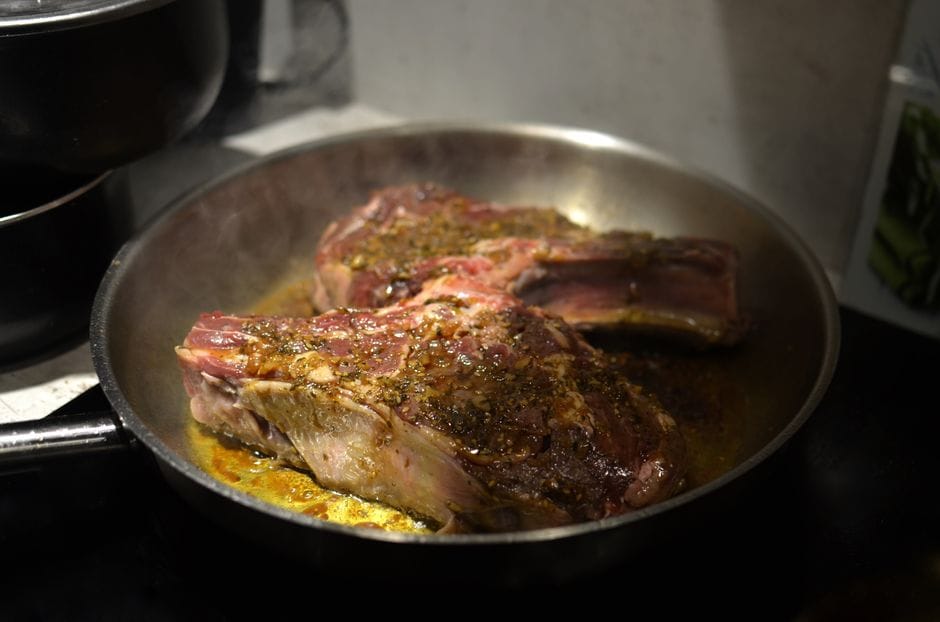
Marinades are surrounded by myth. People think they soak deep into meat and work magic given enough time. The truth is more modest but still useful: a marinade flavors the surface, can tenderize a little, and helps with browning. Knowing what it really does helps you build a better one.
The three parts
A good marinade usually has three components. Salt, which seasons and helps the meat hold moisture. Acid or enzymes, like citrus, vinegar, or yogurt, which tenderize the surface. And flavor, from oil, herbs, garlic, spices, and aromatics that cling to the outside.
It is mostly surface deep
- Marinades penetrate only a few millimeters, no matter how long you wait.
- Salt travels deepest, which is why a salty marinade does the most.
- The flavor lives on and just under the surface, which is plenty.
Do not overdo the acid or the time
Too much acid for too long actually hurts the texture, turning the surface of fish or chicken mushy and chalky. An hour or two is enough for most things, and delicate proteins need even less. Pat the meat dry before cooking, because a wet, oily surface steams instead of browning. Never reuse marinade that touched raw meat as a sauce unless you boil it first.