The first time a backyard cook loads a smoker with green oak straight off a storm-felled tree, the meat comes out tasting like a campfire that got rained on halfway through. That bitter, acrid edge isn't the rub, isn't the meat, and isn't bad luck — it's the wood. Most smoking failures that get blamed on temperature control or timing actually trace back to fuel choice, and it's the one variable new pitmasters spend the least time researching.
Why the Wood Matters More Than the Recipe
Smoke flavor comes from incomplete combustion — wood sugars and lignin breaking down into hundreds of aromatic compounds as they burn. Get the fire right and those compounds read as sweet, faintly resinous, almost caramelized. Get it wrong and you're tasting soot, which is exactly what creosote is: a thick, bitter residue left behind when wood smolders instead of burning clean. The difference between good smoke and bad smoke isn't the species of tree, and that surprises almost everyone who just bought their first bag of hickory chunks expecting instant restaurant-quality bark. It's whether the fire is burning hot enough to produce thin, almost invisible blue smoke rather than the thick white or gray smoke that billows out of a starved fire. A smoker running too cool, choked by a closed vent or a wet fuel bed, will turn even the best oak into something acrid. Watch the color of what's coming out of the chimney before you second-guess the wood itself.
That single distinction — thin blue smoke versus thick white smoke — matters more than any wood-pairing chart you'll find online. A pitmaster running oak on a well-managed offset smoker will out-cook someone running "premium" hickory chunks on a fire that's choking for oxygen. Airflow and fuel size control combustion quality; wood species controls flavor on top of that baseline. Learn to read your smoke before you worry about which bag to grab at Home Depot.
Matching Wood to Meat
Hickory: The Default for a Reason
Hickory is the wood most Americans picture when they hear the word "barbecue," and it earns that reputation on pork. Bacon-like, slightly sweet, and strong enough to stand up to eight hours in a smoker, hickory chunks from Weber (around $9 for a 192-cubic-inch bag) or Royal Oak pair naturally with pork shoulder and ribs. Use it too aggressively on chicken, though, and it turns bitter — hickory oversmokes faster than almost any other common wood, especially on thinner cuts that spend less time in the chamber.
Oak: The Workhorse for Big Cuts
Oak is what most competition brisket teams in Texas actually run, not mesquite, despite mesquite's reputation as "the Texas wood." Post oak burns clean, produces a moderate, savory smoke that doesn't fight with an eight-to-fourteen-hour cook, and forgives small airflow mistakes that would turn a lighter wood harsh. If you're smoking a whole brisket or a double batch of pork shoulder for a crowd, oak logs or chunks are the safer long-cook choice over hickory.
Mesquite: Powerful, and Easy to Overdo
Mesquite burns hot and produces an intensely earthy, almost tangy smoke that turns bitter fast if you use too much of it or let it smolder. Central Texas cooks reserve it mainly for fajitas, quick-grilled steaks, and other short cooks where the wood only has twenty or thirty minutes to work rather than half a day. Reach for mesquite chips on a gas grill's smoker box for a weeknight steak; save the chunks for special occasions, and never load a full basket of it into a low-and-slow rig unless you want your brisket to taste like a tire fire.
Fruit Woods: Apple, Cherry, and the Case for Subtlety
Apple and cherry wood burn mild and slightly sweet, which makes them the better choice for chicken, turkey, and fish — proteins that pick up smoke quickly and turn bitter under a heavy hand. Cherry also does something no other common smoking wood does: it tints the surface of poultry and pork a deep mahogany color, which is why competition cooks often blend a little cherry into a hickory or oak base purely for how the bark looks under lights. Traeger sells both as bagged pellets (roughly $20 for a 20-pound bag) for pellet smokers, and either works fine as chunks in a kettle grill.
Pecan: The Wood Nobody Talks About
Pecan sits between hickory and fruit wood — nuttier and sweeter than straight hickory, milder, and far more forgiving on long cooks. It's a good pick for anyone who found hickory too aggressive on their last brisket but doesn't want to go all the way to the mild end with apple. B&B Charcoal and Cutting Edge Firewood both sell pecan chunks in the $10–$15 range per bag, usually stocked alongside hickory and oak at Ace Hardware or Academy Sports.
Chunks, Chips, Pellets, or Logs: Match the Format to Your Smoker
Wood species is only half the decision — the format has to match the equipment, and mismatching the two causes more ruined cooks than picking the "wrong" tree ever does. Chips are the smallest format and burn out fast, which makes them right for gas grills with a built-in smoker box or a foil packet punched with holes, where you're only after a light smoke accent over an otherwise gas-fired cook. Chunks, roughly fist-sized, are the standard for charcoal kettles, kamados, and offset smokers running a charcoal base, and they smolder slowly enough to last through a multi-hour cook without constant reloading. Pellets are compressed sawdust, and they exist for one purpose: feeding an auger-fed pellet smoker like a Traeger or Pit Boss that needs a steady, automated fuel supply rather than hand-fed chunks. Full logs and splits are for offset stick-burners only, where the firebox is sized for actual firewood and the cook is managing a live flame rather than a smoldering ember bed. None of these formats are interchangeable, no matter what a clearance-aisle multi-pack at a big-box store implies by selling them side by side. Buy the format built for your equipment, not the one that happened to be cheapest that week.
Don't put pellets in a charcoal smoker expecting a bigger flavor payoff. They burn too fast and too hot for that setup and mostly just disappear into ash within minutes.
Buying and Seasoning Wood the Right Way
Every wood-buying mistake traces back to moisture. Green, unseasoned wood — cut recently and still holding 30 percent or more water weight — burns cooler, smolders instead of combusting cleanly, and produces exactly the acrid creosote that ruins a cook. Seasoned wood, dried for at least six months to a year and ideally under 20 percent moisture, burns hot and clean. If you're buying bagged chunks or chips from a hardware store, moisture usually isn't a concern, since commercial suppliers kiln-dry or air-season before packaging. The risk shows up when someone takes a free offer of "fresh-cut oak" from a neighbor's storm cleanup and tries to smoke with it the same week.
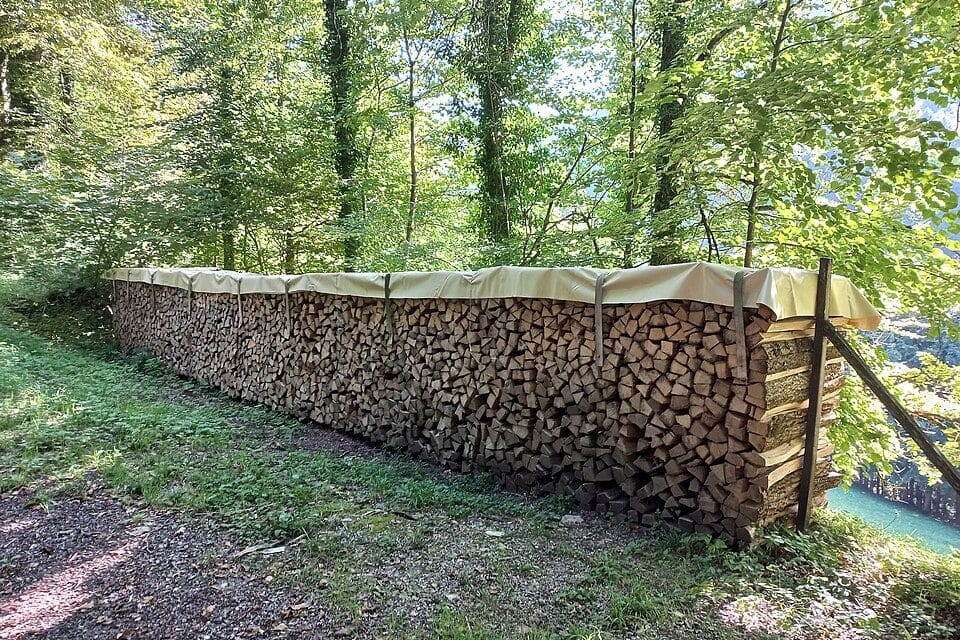
Buy bagged wood from a source that states seasoning time or moisture content, even if that costs a couple of dollars more than the mystery bag at a gas station. And if you do end up with a batch of green wood, the fix isn't complicated: stack it off the ground, cover the top but leave the sides open for airflow, and give it real time — a few weeks minimum for smaller chips, six months or longer for splits and logs.
Common Mistakes Worth Fixing First
Most of these fixes cost nothing and take five minutes.
- Soaking wood chunks in water before use is a popular tip, but it mostly delays combustion and produces more steam than smoke without meaningfully extending burn time.
- More smoke doesn't mean more flavor — past a certain point, it just means more bitterness.
- Mixing three or four wood species in a single cook muddies the flavor instead of building complexity; one or two woods, used with intention, beats a random assortment thrown in because it was on sale
- Judging a fire by temperature alone and ignoring smoke color, when thin blue smoke is the real signal that combustion is clean
That's not an exhaustive list of every wood-fire mistake out there, but fixing these four solves most of the flavor complaints that get blamed on the meat instead of the fire.
Building a Wood Rotation That Actually Works
Most backyard cooks don't need six kinds of wood taking up shelf space in the garage. A practical rotation covers three bases: oak or hickory as the workhorse for pork and beef, a fruit wood like apple or cherry for poultry and fish, and mesquite kept in reserve for quick, high-heat cooks where its intensity has less time to turn bitter. That's the whole system. Everything else — pecan, alder, walnut, the dozen specialty blends sold at higher price points — is a variation on those three roles rather than a fourth category you actually need.
Buy in small bags until you know which wood a specific smoker likes. Every rig runs a little differently, and the chunk size that burns perfectly in a kamado might smolder and stall in an offset firebox built for full logs. Once you find the combination that produces consistent thin blue smoke on your equipment, that's the one worth buying in bulk — not the one with the prettiest bag at the store.