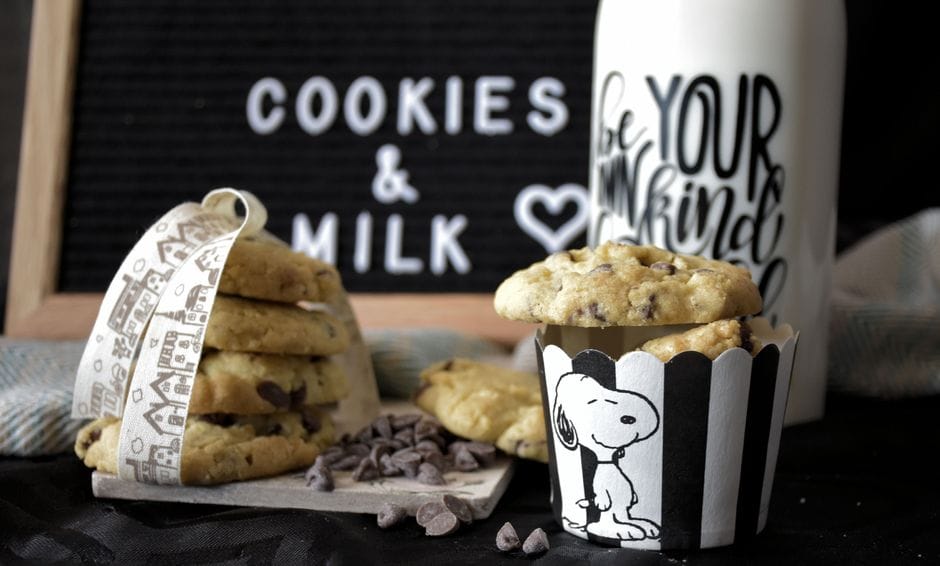
Two bakers can use nearly the same chocolate chip cookie recipe and get completely different results, one chewy and one crisp. That is not luck. A handful of choices control cookie texture, and once you know the levers, you can dial in exactly the cookie you like.
Sugar shapes texture
The balance of sugars matters more than people realize. Brown sugar holds moisture and makes cookies chewy and soft, while white sugar promotes spread and crispness. Shifting the ratio toward brown sugar gives you a chewier cookie; leaning on white sugar gives you a thinner, snappier one.
Butter and flour play a role too
- Melted butter makes chewier, denser cookies; creamed cold butter makes them cakier.
- More flour means a thicker cookie that spreads less.
- An extra egg yolk adds richness and chew, while an extra white can dry them out.
Chill and watch the bake
Chilling the dough before baking slows the spread and deepens the flavor, giving you thicker cookies with crisp edges and soft centers. And do not overbake. Cookies keep cooking on the hot pan after they leave the oven, so pull them when the centers still look slightly underdone if you want them chewy. Leave them a touch longer for crisp. Small adjustments, big differences.