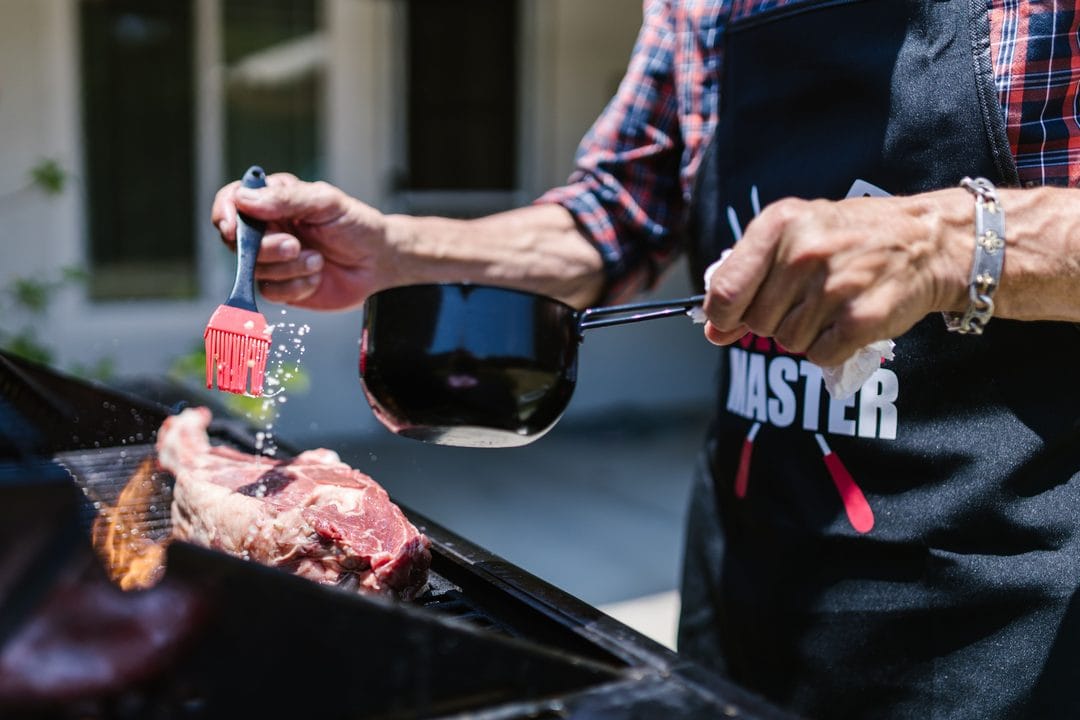
Set four bottles down on a picnic table in August and watch what happens. Someone reaches for the thin, orange-red vinegar sauce first, out of habit. Someone else eyes it with real suspicion, because where they grew up, barbecue sauce is thick enough to coat the back of a spoon and sweet enough to double as a dip for onion rings. A third person at the table has never used sauce on brisket in their life and finds the whole ritual a little baffling. And somewhere at the far end, someone is pouring a pale, mayonnaise-based sauce over chicken that looks, to everyone else, like ranch dressing gone rogue. Nobody at that table is wrong. That is the entire point of American barbecue sauce — it was never supposed to agree with itself.
With Labor Day cookouts roughly five weeks out and grills still running most nights of the week, this is the exact stretch of summer when sauce arguments actually matter, because it's the season when people are hosting the most and second-guessing their bottled ketchup-and-brown-sugar mix the hardest. The four regional traditions below didn't develop out of some grand culinary plan. They grew out of what pigs and cattle were available, what grew in the fields nearby, and which immigrant and enslaved communities were doing the actual cooking two centuries ago. Understanding where each sauce came from makes it a lot easier to decide which one belongs on your table this month — and, just as important, which one doesn't.
Eastern Carolina: The Case for No Tomato at All
Eastern North Carolina sauce is barely a sauce in the way most of the country understands the word. It's cider vinegar, crushed red pepper flakes, black pepper, and salt — no tomato, no sugar, nothing that would thicken it past the consistency of water. A standard batch runs about two cups of cider vinegar to two tablespoons of crushed red pepper and a tablespoon of salt, whisked together and left to sit overnight so the pepper blooms. It gets splashed on whole hog straight off the pit, and it gets splashed on again at the table, because the vinegar cuts through the fat of pulled pork in a way that a sweeter sauce simply can't.
Where the tomato line gets drawn
Drive two hours west into the Piedmont and the sauce changes on you. Lexington-style dip adds a spoonful of ketchup and a little sugar to that same vinegar base, producing a thin reddish liquid that eastern North Carolina purists consider a genuine betrayal of the form. Both camps will tell you, with total confidence, that the other one is doing it wrong. That argument has been running since at least the 1950s and shows no sign of resolving — which is honestly part of the appeal if you're new to it.
Kansas City: Thick, Sweet, and Built for Dipping
Kansas City sauce is what most Americans picture when they hear the words "barbecue sauce," largely because Kansas City itself, with more than 100 barbecue restaurants inside city limits, exported its style nationally through bottled brands starting in the 1970s. The base runs roughly 60 to 70 percent tomato — ketchup or tomato paste — cut with brown sugar or molasses, a shot of Worcestershire sauce, and enough vinegar to keep the sweetness from turning cloying. It's cooked down low and slow until it's thick enough to cling to ribs without sliding off, which is the whole design brief: this sauce is meant to be brushed on during the last twenty minutes of cooking and passed at the table for extra dipping, not used as a marinade or a mop.
That sugar content is also why Kansas City sauce burns fast on a hot grill. Brush it on too early over direct heat and the sugars scorch before the meat finishes cooking, which is the single most common reason home cooks end up with blackened, bitter bark instead of glossy, caramelized ribs. Hold off until the meat is nearly done, then brush, close the lid for five more minutes, and brush again. That two-coat approach builds a real lacquer instead of a burnt shell.
Central Texas: Where Sauce Is Optional, and Sometimes Suspicious
Central Texas barbecue, the tradition built around German and Czech meat markets in towns like Lockhart and Luling, treats sauce as a garnish at best and a crutch at worst. Brisket seasoned with nothing but salt and coarse black pepper, smoked low over post oak for twelve to fourteen hours, is meant to stand on its own — the bark and the smoke ring are the whole point, and drowning them in sauce is treated as an admission that the cook went wrong somewhere. Franklin Barbecue in Austin, arguably the most famous brisket operation in the country, serves sauce on the side almost as an afterthought, and plenty of regulars never touch it.
When Texas sauce does show up, it tends to be a thin, vinegary mop — closer to a basting liquid than a table condiment — used during the cook to keep the surface of the meat from drying out rather than poured on afterward. That's a genuinely different job than what Kansas City sauce or Carolina vinegar sauce are doing, and it's worth not confusing the three.
Alabama White Sauce: The One That Breaks the Rules Entirely
Big Bob Gibson invented white sauce at his restaurant in Decatur, Alabama, in 1925, and it still doesn't look like barbecue sauce to anyone encountering it for the first time.
Mayonnaise, apple cider vinegar, coarse black pepper, a little horseradish or lemon juice — that's the whole formula, whisked into something with the color and near-consistency of a thin ranch dressing. It's built specifically for chicken, not pork or beef: smoked chicken gets dunked directly into a bowl of it straight off the grill, skin and all, so the sauce soaks in while the meat is still hot. Try it on pulled pork and it just tastes wrong, the acidity and creaminess fighting the smoke instead of complementing it. Try it on a whole smoked chicken and it's the best thing that's happened to poultry all summer.
Building a Small Lineup Without Overcomplicating the Table
You don't need all four sauces to run a good cookout — that's a rookie mistake that turns a simple table into a condiment museum nobody actually uses. Pick two that cover genuinely different jobs instead of two that overlap. A vinegar-pepper sauce and a Kansas City-style sweet sauce is the strongest combination for a mixed menu of pulled pork and ribs, because one cuts fat and one caramelizes onto the meat; putting two thick, sweet sauces side by side just gives people a harder choice with no real payoff.
If chicken is on the menu at all this month, Alabama white sauce is worth making even if nothing else on this list makes the table. It takes about five minutes, keeps in the fridge for a week, and does more for grilled or smoked chicken thighs than any dry rub on its own. Skip bottled ranch dressing as a stand-in — the missing vinegar and horseradish are exactly what make the real thing work, and the substitute tastes flat by comparison.
- Vinegar-pepper sauce: mix and use the same day, or let it sit overnight for a sharper bite
- Kansas City-style sauce: make a double batch, since it keeps for two to three weeks refrigerated and only gets better after a few days
- Alabama white sauce: best within 48 hours, before the mayonnaise starts to separate
- Texas-style mop: technically not a table sauce at all, so keep it in a squeeze bottle near the grill instead of the picnic table
None of these traditions are trying to convert you to a single correct answer, and that's worth sitting with for a second — American barbecue sauce is regional the way barbecue itself is regional, shaped by whatever meat, sugar, and vinegar happened to be cheap and local in a given county a hundred years ago. The most useful thing you can do with that history isn't pick a winner. It's figure out which sauce actually solves the problem in front of you — fatty pulled pork, sweet ribs, a plain brisket, or a chicken thigh straight off the smoker — and stop expecting one bottle to do all four jobs at once.